

Friends of the Betty J. Johnson North Sarasota Public Library Discuss Community Impact of the Proposed Property Tax Amendments


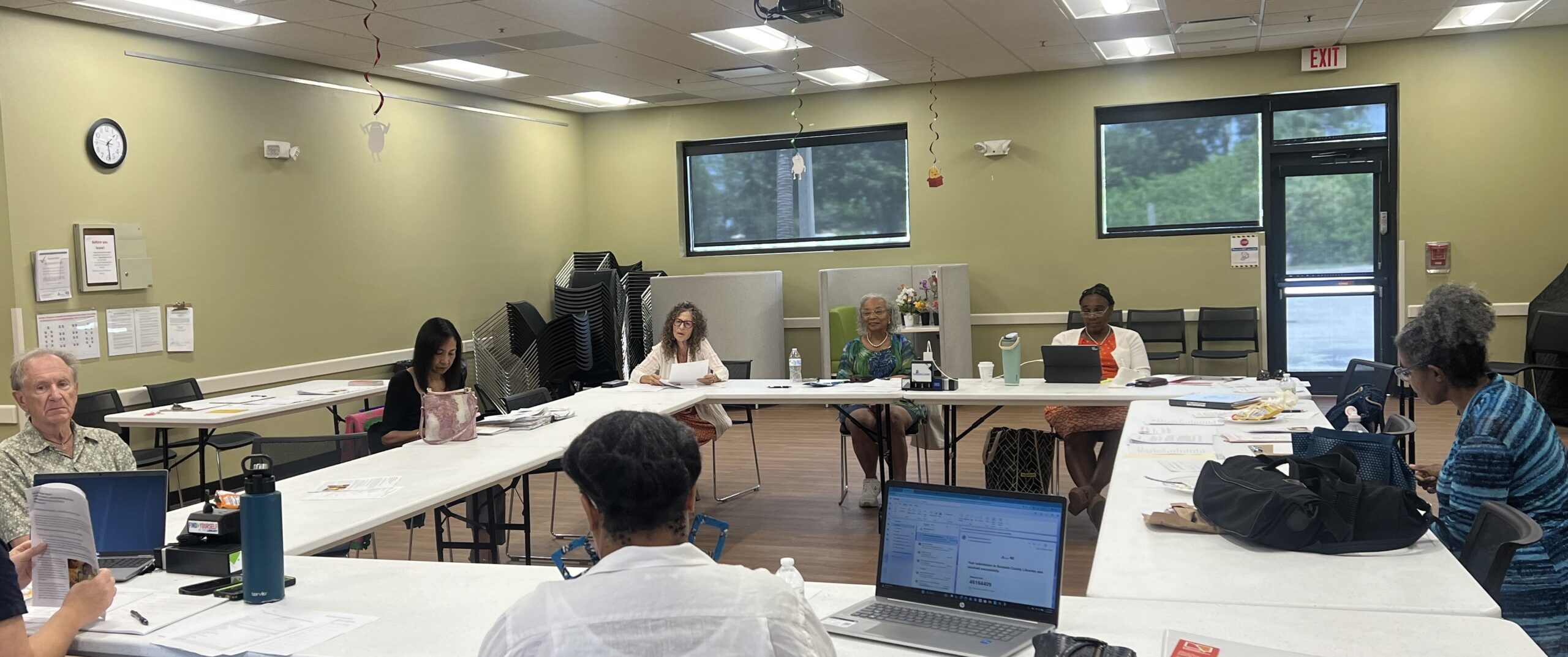
The Board of Directors of Friends of the Betty J. Johnson North Sarasota Public Library, Inc., a 501(c)(3) nonprofit organization, held its annual meeting and strategic planning retreat on Saturday, July 11. Among the board’s priorities were expanding community engagement through the African American Cultural Resource Center (AACRC), initiating its $10 annual membership campaign, and promoting the Friends Bookstore, which offers books, jewelry, hats, purses, artwork, and other donated items that support library programs.
One of the most significant topics discussed was the potential impact of House Joint Resolution 1-F (HJR 1-F), promoted as “Save Our Homes from Excessive Property Taxes,” which is expected to appear on Florida’s November 2026 general election ballot. The proposed constitutional amendment was approved by the Florida Legislature during the June 2026 Special Session. If 60 percent of Florida voters approve the amendment, it would increase the homestead exemption for the non-school portion of property taxes and establish a framework for future consideration of additional property tax reductions. The amendment would take effect on January 1, 2027.
If approved, the homestead exemption for non-school property taxes would increase as follows:
- 2027: Increase from the current $50,000 exemption to $150,000.
- 2028: Increase to $250,000, with future adjustments based on inflation.
School district property taxes would continue to use the existing homestead exemption structure.
What This Could Mean for Local Communities
Supporters say the amendment would provide meaningful property tax relief for Florida homeowners.
Opponents and many local government officials, however, have expressed concern that significantly reducing property tax revenue could create budget challenges for counties and municipalities. Because property taxes help fund many local services, local governments may have to adjust their budgets if revenues decline.
Possible responses could include:
- Increasing utility rates for water, sewer, stormwater, or solid waste services.
- Raising user fees for building permits, inspections, parks, recreation programs, and waste collection.
- Implementing or increasing special assessments for services such as stormwater management, fire protection, or neighborhood improvements were authorized by law.
- Asking voters to approve local option sales tax increases.
- Delaying road improvements, bridge projects, park expansions, and other capital improvements.
- Institute hiring freezes or reducing government staffing through attrition.
- Reviewing funding levels for discretionary services, including libraries, parks, recreation, and cultural programs.
For organizations like the Friends of the Betty J. Johnson North Sarasota Public Library, these discussions are important because public libraries depend in part on local government funding. While there is no indication that any specific library or community facility would close if the amendment passed, reductions in local revenue could place pressure on future budgets for libraries, parks, cultural programs, and other community services.
What Does This Mean for Sarasota and Manatee Counties?
If the amendment is approved, homeowners in Sarasota and Manatee Counties who qualify for the homestead exemption could see lower property tax bills. At the same time, county and city governments may have fewer resources available to fund local services unless they reduce spending, identify new revenue sources, or restructure their budgets. Whether you support or oppose HJR 1-F, one question deserves thoughtful consideration before Election Day: If local governments collect significantly less in property taxes, how will they continue to fund the services our communities rely on? Understanding, both the potential tax savings and the possible trade-offs will help voters make an informed decision at the ballot box.


