

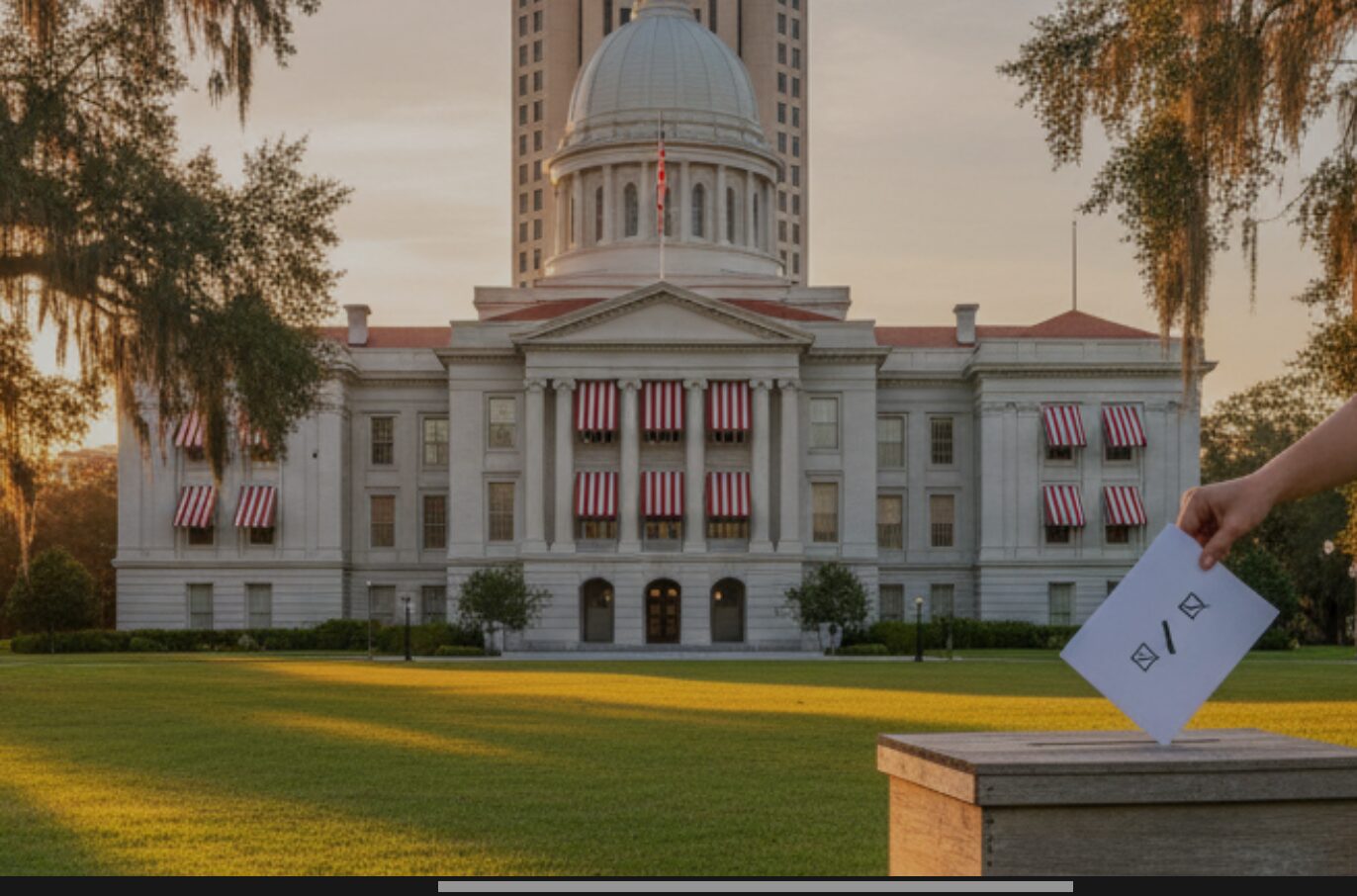
Let’s Talk: Florida Legislature Passed HJR 1-F


House Joint Resolution 1-F (HJR 1-F), promoted as “Save Our Homes from Excessive Property Taxes,” is expected to appear on the November 2026 ballot for Florida voters to decide. The proposed constitutional amendment, approved by the Florida Legislature in June 2026, would significantly expand Florida’s homestead property tax exemption and reshape aspects of the state’s local property tax system. If approved by voters, the homestead exemption for the non-school portion of property taxes would increase from the current $50,000 to $150,000 on January 1, 2027, and then to $250,000 on January 1, 2028. The exemption would also be adjusted annually for inflation beginning in 2029.
Before we step into the voting booth, “Let’s Talk About HJR 1 -F”
According to Florida Realtors, the amendment would significantly reduce property tax revenue collected by local governments. To address those reductions, the proposal requires counties and municipalities to prioritize remaining revenues for specific governmental functions, including law enforcement, fire protection, emergency medical services, transportation infrastructure, stormwater management, natural resource and flood-control projects, retirement obligations, bond repayments, and general government operations.
The amendment also establishes a process for counties, municipalities, and school districts to participate in future discussions regarding additional property tax reductions, potentially including broader exemptions. Special districts could also provide additional property tax relief with voter approval.
Supporters argue that the proposal would provide meaningful tax relief to Florida homeowners and help offset rising housing costs. Critics, however, question how local governments would replace billions of dollars in lost revenue and whether those costs would eventually shift elsewhere through increased fees, service reductions, or creating other revenue sources.
For business owners, there are also questions about potential impacts. Some analysts have suggested that if local governments face revenue shortfalls, they may consider increases in fees, permits, licenses, or other charges that could affect businesses. Those costs, if they occur, could ultimately be passed along to consumers. Possible examples include:
- Higher utility or service fees
- Increased permitting and licensing costs
- Reduced local services that residents and businesses currently receive
Small businesses that depend on local consumer spending like retailers, restaurants, personal service providers, and entertainment venues have a vested interest in understanding how these changes could affect their customers and communities.
Regardless of the HJR 1-F, proposal could have a significant impact on Florida homeowners, businesses, and local governments. It deserves thoughtful discussion and careful consideration before voter’s head to the polls in November.
This conversation has only begun, “Let’s Talk”


